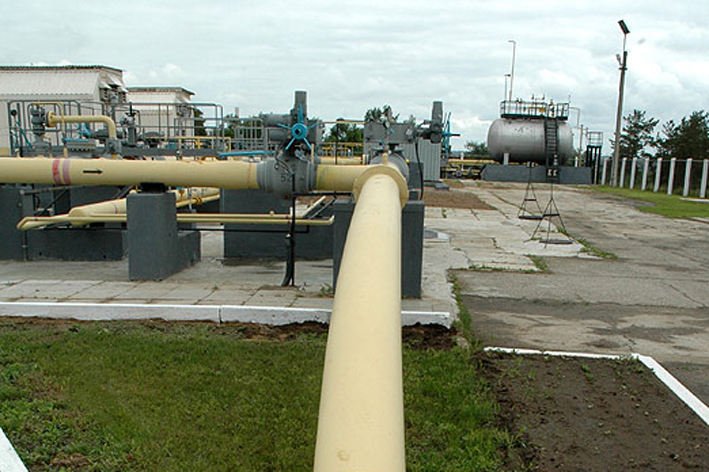
New LNG project approvals surged in 2025, adding to the coming wave of natural gas supply.
About 300 bln cubic metres (bcm) of new annual LNG export capacity is scheduled to start operation by 2030. But questions remain about where all the new liquid natural gas will go.
The vast liquefaction capacity being developed in the Americas, led by the U.S., is transforming the world LNG market.
Shell sees natural gas demand rapidly rising into the 2040s under a scenario of robust economic growth.
Israel approved a $35 bln gas deal with Egypt, which resolves a stand-off with the U.S. after it lobbied on behalf of co-owner Chevron. But it is also a lifeline for Egypt.
In Cyprus, the Cronos gasfield is ‘in final stage of development.’ Pending final investment decision (FID), first gas is expected by end-2027 to early-2028. Eni plans to export all of it to Europe, about 5 bcm a year. But with LNG prices expected to fall to $6-7/mmBTU by 2028, profitability is not assured.
Egypt signed a new LNG deal with Qatar weeks after the Israeli gas pact, ensuring diversity of supplies.
Russia is set to boost pipeline gas deliveries to China by 25% this year, with Gazprom sending up to 39 bcm through Power of Siberia, which is above its design capacity, and also LNG.
As Europe exits Russian gas, Russia’s energy pivot to Asia accelerates.
EU gas prices have hit an 8-month high. Dutch TTF futures, the primary benchmark for European wholesale gas pricing, jumped to over €36/MWh amid an outlook for cold weather in Europe. This comes as frigid temperatures hit Asia, which competes with Europe for LNG.
A European commissioner has warned that a US military takeover of Greenland would be the end of NATO.
Europe is falling behind in critical minerals race. So, why isn’t it more proactive in facing up to Trump in retaining Greenland? Probably, its concern for NATO?
The EU is targeting a major expansion of data centres to strengthen its position in the global AI sector. But doing so will require tackling key energy challenges, including strains on grids.
Europe should embrace the idea of going it alone. The more the EU has to pay for ingratiation with Trump, the less convincing its strategic rationale for doing so.
The EU’s spending on US oil and gas fell 7% over the past four months. Annual imports to the EU stood at $73.7 bln, less than a third of the value required to meet the $750 bln commitment for 2026-2028.
The changes brought by 2025 forced the EU to adjust from its Green Deal to realism. It has been faced with harsh cost and competitiveness realities, and forced to reconcile climate ambitions with a more realistic approach.
The EU is scaling back its climate ambitions partly in response to Trump, but also because of deeper, unresolved tension over global competitiveness considering its higher energy prices.
EU carbon emission prices have now risen to €88/tonne and are forecast to reach €90-110/t next year. That could exacerbate energy price problems.
Natural gas prices in Europe have fallen close to levels not seen since Russia’s invasion of Ukraine and are expected to fall further. That should be a tonic for the continent’s battered manufacturers, but may be coming too late.
Germany’s chemical plants were operating at just 70% capacity in 2025, the weakest level in 20 years. Years of elevated costs have hollowed out parts of Europe’s industrial base.
China is pushing a “grand bargain” with the US to reset ties, proposing shared global leadership and managed rivalry. As Washington tightens pressure via Venezuela and sanctions, Beijing is positioning itself as a responsible stabiliser while preparing for a harsher multipolar world order.
Russia is set to boost pipeline gas deliveries to China by 25% this year, with Gazprom sending up to 38.7 bcm via Power of Siberia, above design capacity.
China’s domestic gas growth and imports from Russia cast a shadow over LNG demand. China is rapidly boosting domestic natural gas production, driven by faster-than-expected shale gas ramp-ups, prompting analysts to revise LNG demand forecasts and prices downward.
China added a record 444GW of electricity generation capacity in the first eleven months of 2025, exceeding the previous record of 427GW in the whole of 2024. Solar accounted for almost two-thirds of the increase.
In China, thermal generation (nearly all from coal) accounted for 40% of installed capacity, down from 73% in 2010.
Mark Carney is leaning into a “new world order.” Canada and China struck new trade and energy deals in Beijing as Ottawa adapts to shifting global power dynamics.
New LNG project approvals surged in 2025, adding to the
The seizure of oil resources in Venezuela by the U.S.
Donald Trump’s appearance at Davos this week could have almost
West Texas Intermediate (WTI) is trading around $59.30 during the
About 300 bln cubic metres (bcm) of new annual LNG export capacity is scheduled to start operation by 2030. But questions remain about where all the new liquid natural gas will go.
The vast liquefaction capacity being developed in the Americas, led by the U.S., is transforming the world LNG market.
Shell sees natural gas demand rapidly rising into the 2040s under a scenario of robust economic growth.
Israel approved a $35 bln gas deal with Egypt, which resolves a stand-off with the U.S. after it lobbied on behalf of co-owner Chevron. But it is also a lifeline for Egypt.
In Cyprus, the Cronos gasfield is ‘in final stage of development.’ Pending final investment decision (FID), first gas is expected by end-2027 to early-2028. Eni plans to export all of it to Europe, about 5 bcm a year. But with LNG prices expected to fall to $6-7/mmBTU by 2028, profitability is not assured.
Egypt signed a new LNG deal with Qatar weeks after the Israeli gas pact, ensuring diversity of supplies.
Russia is set to boost pipeline gas deliveries to China by 25% this year, with Gazprom sending up to 39 bcm through Power of Siberia, which is above its design capacity, and also LNG.
As Europe exits Russian gas, Russia’s energy pivot to Asia accelerates.
EU gas prices have hit an 8-month high. Dutch TTF futures, the primary benchmark for European wholesale gas pricing, jumped to over €36/MWh amid an outlook for cold weather in Europe. This comes as frigid temperatures hit Asia, which competes with Europe for LNG.
A European commissioner has warned that a US military takeover of Greenland would be the end of NATO.
Europe is falling behind in critical minerals race. So, why isn’t it more proactive in facing up to Trump in retaining Greenland? Probably, its concern for NATO?
The EU is targeting a major expansion of data centres to strengthen its position in the global AI sector. But doing so will require tackling key energy challenges, including strains on grids.
Europe should embrace the idea of going it alone. The more the EU has to pay for ingratiation with Trump, the less convincing its strategic rationale for doing so.
The EU’s spending on US oil and gas fell 7% over the past four months. Annual imports to the EU stood at $73.7 bln, less than a third of the value required to meet the $750 bln commitment for 2026-2028.
The changes brought by 2025 forced the EU to adjust from its Green Deal to realism. It has been faced with harsh cost and competitiveness realities, and forced to reconcile climate ambitions with a more realistic approach.
The EU is scaling back its climate ambitions partly in response to Trump, but also because of deeper, unresolved tension over global competitiveness considering its higher energy prices.
EU carbon emission prices have now risen to €88/tonne and are forecast to reach €90-110/t next year. That could exacerbate energy price problems.
Natural gas prices in Europe have fallen close to levels not seen since Russia’s invasion of Ukraine and are expected to fall further. That should be a tonic for the continent’s battered manufacturers, but may be coming too late.
Germany’s chemical plants were operating at just 70% capacity in 2025, the weakest level in 20 years. Years of elevated costs have hollowed out parts of Europe’s industrial base.
China is pushing a “grand bargain” with the US to reset ties, proposing shared global leadership and managed rivalry. As Washington tightens pressure via Venezuela and sanctions, Beijing is positioning itself as a responsible stabiliser while preparing for a harsher multipolar world order.
Russia is set to boost pipeline gas deliveries to China by 25% this year, with Gazprom sending up to 38.7 bcm via Power of Siberia, above design capacity.
China’s domestic gas growth and imports from Russia cast a shadow over LNG demand. China is rapidly boosting domestic natural gas production, driven by faster-than-expected shale gas ramp-ups, prompting analysts to revise LNG demand forecasts and prices downward.
China added a record 444GW of electricity generation capacity in the first eleven months of 2025, exceeding the previous record of 427GW in the whole of 2024. Solar accounted for almost two-thirds of the increase.
In China, thermal generation (nearly all from coal) accounted for 40% of installed capacity, down from 73% in 2010.
Mark Carney is leaning into a “new world order.” Canada and China struck new trade and energy deals in Beijing as Ottawa adapts to shifting global power dynamics.
New LNG project approvals surged in 2025, adding to the
The seizure of oil resources in Venezuela by the U.S.
Donald Trump’s appearance at Davos this week could have almost
West Texas Intermediate (WTI) is trading around $59.30 during the