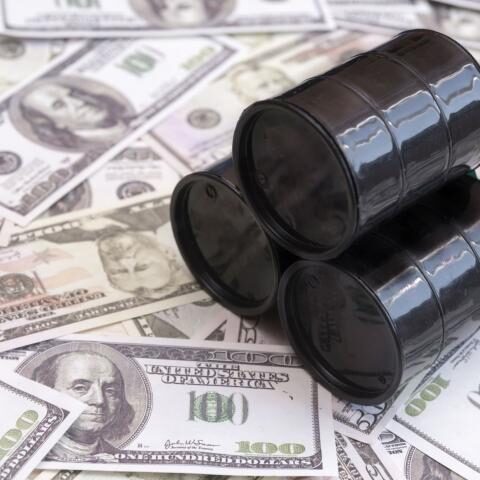
Oil markets are starting to price “chaos rather than crude”, as traders rush to protect against a price surge driven by escalating tensions around Iran and Venezuela, the CEO of global financial advisory giant deVere Group has warned.
“Oil traders are effectively placing bets on chaos. The rush into upside protection reads like a referendum on geopolitical stability — and the verdict is brutal,” warned Nigel Green as record demand for protection against rising oil prices shows traders are bracing for a sudden shock.
The deVere chief executive said markets are treating Iran as a potential systemic event, rather than a contained regional risk.
“The scale of activity usually appears ahead of wars, sweeping sanctions, or regime-level disruption, not street protests.
“Traders appear to be positioning for a scenario where the Strait of Hormuz shifts from being a shipping route to a strategic pressure point capable of choking global supply.”
With US President Donald Trump warning of severe consequences for countries doing business with Tehran and openly discussing tougher measures, energy markets are responding first.
The premium building into oil prices reflects fear that escalation is becoming the dominant force in policy thinking.
“Energy prices are being set for crisis conditions, not inconvenience,” Green explained.
While Iran sits at the centre of current anxiety, the wider supply picture only intensifies the sense of fragility.
Venezuela, long viewed as a potential source of additional barrels, remains constrained by political uncertainty, weak infrastructure and fragile international relationships. Any expectation that easing pressure on Caracas can offset tightening pressure on Tehran looks increasingly unrealistic.
One sanctioned producer gaining marginal breathing room fails to compensate for the risk of another becoming further isolated.
Markets are, therefore, pricing oil for disruption rather than balance.
Traders see a system where supply exists on paper, but becomes unreliable in practice as shipping insurers raise premiums, financiers step back, and buyers hesitate. In such an environment, barrels do not need to disappear to push prices higher.
“Risk alone tightens the market,” Green asserted. The danger lies in underestimating the speed of this process, he added.
“Energy markets respond before any other asset class because they sit at the centre of the world economy.
“Once oil reprices for conflict, the impact flows straight into inflation expectations, currency movements, and equity valuations.”
The deVere CEO added that the implications stretch far beyond trading floors. A sustained geopolitical premium in oil feeds into transport costs, food prices and household energy bills.
Governments face tougher fiscal choices as higher prices strain budgets and complicate trade policy.
Companies reliant on logistics and manufacturing see margins squeezed as fuel and shipping costs rise. Investors confront a world where volatility driven by politics spreads quickly across asset classes.
“Markets are preparing for a future where miscalculation carries a far higher price.
“Traders are positioning for escalation rather than stability, and that mindset reshapes everything from investor portfolio strategy to national economic planning.”
In this environment, “oil has become a signal of mounting instability,” concluded the deVere founder. “And this signal points to markets preparing for escalation rather than equilibrium.”
New LNG project approvals surged in 2025, adding to the
The seizure of oil resources in Venezuela by the U.S.
Donald Trump’s appearance at Davos this week could have almost
West Texas Intermediate (WTI) is trading around $59.30 during the
“Oil traders are effectively placing bets on chaos. The rush into upside protection reads like a referendum on geopolitical stability — and the verdict is brutal,” warned Nigel Green as record demand for protection against rising oil prices shows traders are bracing for a sudden shock.
The deVere chief executive said markets are treating Iran as a potential systemic event, rather than a contained regional risk.
“The scale of activity usually appears ahead of wars, sweeping sanctions, or regime-level disruption, not street protests.
“Traders appear to be positioning for a scenario where the Strait of Hormuz shifts from being a shipping route to a strategic pressure point capable of choking global supply.”
With US President Donald Trump warning of severe consequences for countries doing business with Tehran and openly discussing tougher measures, energy markets are responding first.
The premium building into oil prices reflects fear that escalation is becoming the dominant force in policy thinking.
“Energy prices are being set for crisis conditions, not inconvenience,” Green explained.
While Iran sits at the centre of current anxiety, the wider supply picture only intensifies the sense of fragility.
Venezuela, long viewed as a potential source of additional barrels, remains constrained by political uncertainty, weak infrastructure and fragile international relationships. Any expectation that easing pressure on Caracas can offset tightening pressure on Tehran looks increasingly unrealistic.
One sanctioned producer gaining marginal breathing room fails to compensate for the risk of another becoming further isolated.
Markets are, therefore, pricing oil for disruption rather than balance.
Traders see a system where supply exists on paper, but becomes unreliable in practice as shipping insurers raise premiums, financiers step back, and buyers hesitate. In such an environment, barrels do not need to disappear to push prices higher.
“Risk alone tightens the market,” Green asserted. The danger lies in underestimating the speed of this process, he added.
“Energy markets respond before any other asset class because they sit at the centre of the world economy.
“Once oil reprices for conflict, the impact flows straight into inflation expectations, currency movements, and equity valuations.”
The deVere CEO added that the implications stretch far beyond trading floors. A sustained geopolitical premium in oil feeds into transport costs, food prices and household energy bills.
Governments face tougher fiscal choices as higher prices strain budgets and complicate trade policy.
Companies reliant on logistics and manufacturing see margins squeezed as fuel and shipping costs rise. Investors confront a world where volatility driven by politics spreads quickly across asset classes.
“Markets are preparing for a future where miscalculation carries a far higher price.
“Traders are positioning for escalation rather than stability, and that mindset reshapes everything from investor portfolio strategy to national economic planning.”
In this environment, “oil has become a signal of mounting instability,” concluded the deVere founder. “And this signal points to markets preparing for escalation rather than equilibrium.”
New LNG project approvals surged in 2025, adding to the
The seizure of oil resources in Venezuela by the U.S.
Donald Trump’s appearance at Davos this week could have almost
West Texas Intermediate (WTI) is trading around $59.30 during the