Prime Minister Robert Abela says Malta narrowly avoided a constitutional crisis after the government tabled a parliamentary motion on the appointment of a new chief justice on Wednesday • Abela calls on Opposition to discuss introduction of anti-deadlock mechanism
Prime Minister Robert Abela said Malta narrowly avoided a constitutional crisis after the government tabled a parliamentary motion on the appointment of a new chief justice on Wednesday.
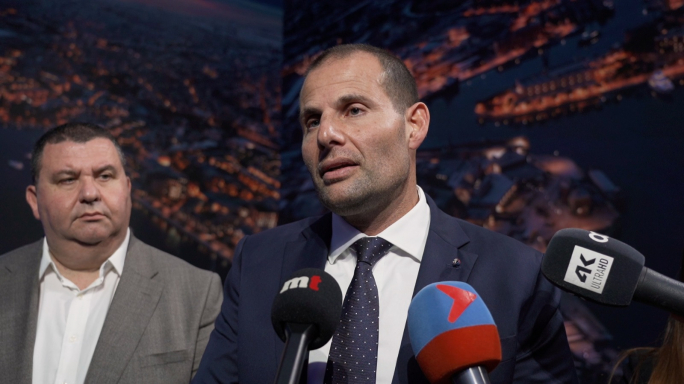
In comments to journalists on Thursday morning, a day after parliament debated the motion, Abela said the Speaker’s ruling had confirmed the importance of acting in time.
“The Speaker’s ruling showed how important it was that the government tabled the motion before the Chief Justice retired officially,” Abela said. “Had we not done so, we would have woken up to a constitutional crisis.”
Abela said the ruling highlighted the constitutional implications that would have followed, including doubts over the validity of court sentences issued from Thursday onwards.
He said the situation was stabilised after the President intervened and the Opposition agreed to allow the motion to be debated in parliament.
Abela said he had spoken to the President before she held meetings with Opposition leader Alex Borg, Justice Minister Jonathan Attard and the Chief Justice.
“I explained the ruling to her, though she had already read it,” Abela said. “It was clear what the constitutional repercussions would have been.”
He said the tabling of the motion allows the current Chief Justice to remain in office, ensuring the courts continue to function while parliament discusses criteria for the appointment of a new chief justice.
“This gives us the time to sit down and identify the criteria for a new chief justice,” Abela said. “But we cannot have criteria that go beyond the functions of the chief justice, or criteria that amount to punishment or revenge, or decisions taken by third parties who do not form part of the House of Representatives.”
Abela also criticised Borg for not supporting the nomination of Judge Consuelo Scerri Herrera, saying the Opposition leader had yet to explain his reasoning.
“Borg has yet to give the reasoning behind his refusal to vote in favour of Consuelo Scerri Herrera,” he said.
Abela also stood by comments he made in parliament on Wednesday, where he alleged Borg had proposed horse trading over appointments, including the upcoming nomination of a new auditor general.
Abela said he was always open to discussions that could lead to agreement but drew a clear line when it came to personal merit.
“What I am not ready to negotiate on are the qualities of the person,” he said. “If the choice is based on political revenge, I am not ready to negotiate on that. I would be betraying the people’s trust.”
Asked whether the requirement for a two-thirds parliamentary majority for such appointments had been a mistake, Abela said the mechanism reflected the political circumstances at the time it was introduced.
He warned that without an anti-deadlock mechanism, similar situations could occur again.
“If we do not have an anti-deadlock mechanism, we will find ourselves in more situations like this,” he said. “I ask: without such a mechanism, are we choosing the right people for the role, or are we being forced to compromise?”
Government’s nomination for chief justice did not pass after it failed to achieve a two-thirds parliamentary majority on Wednesday.
39 voted in favour, and 34 voted against, and so a two-thirds parliamentary majority was not achieved.
In a parliamentary discussion which descended into chaos, point of orders and political bickering from both sides of the House, Prime Minister Robert Abela, Opposition leader Alex Borg and Justice Minister Jonathan Attard addressed the debate.
Earlier on Wednesday, President Myriam Spiteri Debono urged the government and Opposition to reach an agreement on the appointment of a new Chief Justice after setting a meeting with the two parties on Wednesday morning.
On Thursday, the Opposition leader asked President Debono to preside over all meetings with Prime Minister Robert Abela concerning the nomination of Malta’s next Chief Justice.
Borg stated that he wanted the president to serve as guarantor of the appointment process and emphasised that the same arrangement should be used to choose the auditor general.
“I believe this is in the best interest of the country in order for us to move forward, because Malta must come first and foremost,” Borg said through a post on social media on Thursday.
Prime Minister Robert Abela said Malta narrowly avoided a constitutional crisis after the government tabled a parliamentary motion on the appointment of a new chief justice on Wednesday.
In comments to journalists on Thursday morning, a day after parliament debated the motion, Abela said the Speaker’s ruling had confirmed the importance of acting in time.
“The Speaker’s ruling showed how important it was that the government tabled the motion before the Chief Justice retired officially,” Abela said. “Had we not done so, we would have woken up to a constitutional crisis.”
Abela said the ruling highlighted the constitutional implications that would have followed, including doubts over the validity of court sentences issued from Thursday onwards.
He said the situation was stabilised after the President intervened and the Opposition agreed to allow the motion to be debated in parliament.
Abela said he had spoken to the President before she held meetings with Opposition leader Alex Borg, Justice Minister Jonathan Attard and the Chief Justice.
“I explained the ruling to her, though she had already read it,” Abela said. “It was clear what the constitutional repercussions would have been.”
He said the tabling of the motion allows the current Chief Justice to remain in office, ensuring the courts continue to function while parliament discusses criteria for the appointment of a new chief justice.
“This gives us the time to sit down and identify the criteria for a new chief justice,” Abela said. “But we cannot have criteria that go beyond the functions of the chief justice, or criteria that amount to punishment or revenge, or decisions taken by third parties who do not form part of the House of Representatives.”
Abela also criticised Borg for not supporting the nomination of Judge Consuelo Scerri Herrera, saying the Opposition leader had yet to explain his reasoning.
“Borg has yet to give the reasoning behind his refusal to vote in favour of Consuelo Scerri Herrera,” he said.
Abela also stood by comments he made in parliament on Wednesday, where he alleged Borg had proposed horse trading over appointments, including the upcoming nomination of a new auditor general.
Abela said he was always open to discussions that could lead to agreement but drew a clear line when it came to personal merit.
“What I am not ready to negotiate on are the qualities of the person,” he said. “If the choice is based on political revenge, I am not ready to negotiate on that. I would be betraying the people’s trust.”
Asked whether the requirement for a two-thirds parliamentary majority for such appointments had been a mistake, Abela said the mechanism reflected the political circumstances at the time it was introduced.
He warned that without an anti-deadlock mechanism, similar situations could occur again.
“If we do not have an anti-deadlock mechanism, we will find ourselves in more situations like this,” he said. “I ask: without such a mechanism, are we choosing the right people for the role, or are we being forced to compromise?”
Government’s nomination for chief justice did not pass after it failed to achieve a two-thirds parliamentary majority on Wednesday.
39 voted in favour, and 34 voted against, and so a two-thirds parliamentary majority was not achieved.
In a parliamentary discussion which descended into chaos, point of orders and political bickering from both sides of the House, Prime Minister Robert Abela, Opposition leader Alex Borg and Justice Minister Jonathan Attard addressed the debate.
Earlier on Wednesday, President Myriam Spiteri Debono urged the government and Opposition to reach an agreement on the appointment of a new Chief Justice after setting a meeting with the two parties on Wednesday morning.
On Thursday, the Opposition leader asked President Debono to preside over all meetings with Prime Minister Robert Abela concerning the nomination of Malta’s next Chief Justice.
Borg stated that he wanted the president to serve as guarantor of the appointment process and emphasised that the same arrangement should be used to choose the auditor general.
“I believe this is in the best interest of the country in order for us to move forward, because Malta must come first and foremost,” Borg said through a post on social media on Thursday.